
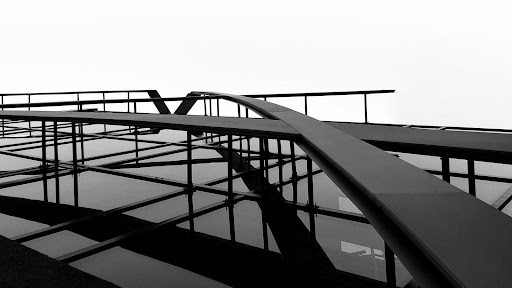
The construction industry has changed rapidly over the last decade. Skyscrapers stretch higher while roads and bridges get trickier; deadlines also squeeze harder. Under such pressure, getting things right and lining up every detail is key. That’s where digital models step in, shaping how teams map out and finish jobs. One standout? Structural steel modelling services give engineers a clear, sharp way to turn tough blueprints into real builds they can trust.
Whether it is a commercial tower, an industrial facility, or a long-span bridge, the steel framework acts as the skeleton of the structure. When this skeleton is modeled digitally, every bolt, beam, and joint is captured with remarkable detail. This prevents errors, boosts productivity, and improves safety, all before construction even begins.
How Steel Modeling Strengthens Every Stage of a Project
Improved Workflows Through Smarter Coordination
Steel design plans let all team members, like builders or designers, see identical details. That way, mix-ups drop while coordination improves.
Among the top perks are these:
- Clear 2D and 3D visualizations that eliminate guesswork
- Fewer design clashes and rework
- Faster decision-making between stakeholders
- Better compatibility with BIM platforms
A solid crew working together tight helps dodge slowdowns or wasted supplies and big challenges on job sites. Using steel designs, builders map out tasks more precisely, which saves cash and cuts hours thanks to sharper planning.
A Closer Look at Accuracy and Error Prevention
Steel structures have tons of parts, yet small details often get skipped if handled manually. That’s when digital models really help out.
Precision That Supports Complex Engineering
Computer designs show builders dimensions, connection details, and load-bearing data required for safe and strong builds. One error in making steel fabrication might mean costly fixes once construction starts. These virtual plans spot problems before they happen, cutting delays while lowering costs.
Key accuracy benefits include:
- Detailed shop drawings
- Fabrication-ready designs
- Automated detection of alignment and connection issues
- Reliable material takeoffs for cost planning
Because structural steel is a high-value component, having precise data ensures minimal waste and smoother installation.
Enhancing Fabrication and On-Site Installation
How Modeling Helps Fabricators
Steel fabricators need precise drawings to do their job well. With digital steel models, they can work faster, which allows them to:
- Visualize assemblies before cutting or welding
- Understand the exact positioning of each part
- Reduce errors in measurement
- Produce components faster and with confidence
This speeds up manufacturing while making sure the built components fit perfectly during installation.
Impact on On-Site Execution
Using precise models, site teams know precisely when and how each and every steel part’s setup should be. The erection order becomes clear, cutting risks tied to lifting loads or complex builds.
In the mid-project stage, construction teams lean heavily on steel structure modeling to keep things running without errors. A precise digital model usually leads to fewer surprises and delays and also improves safety around the site.
Why Modeling Supports Long-Term Structural Performance
Construction does not end when the last beam is bolted into place. Structures need to last decades; steel design helps make that happen. While construction finishes fast, durability depends on smart planning ahead. Every detail matters down the line.
Modeling Helps Create Structures That Last
Engineers look at how weight moves through a structure and where it bends, and they also test if joints stay strong using virtual tests. That way, metal structures manage weather pressure and damage from use, plus last longer under daily stress.
Long-term perks might be things like these:
- Better durability due to informed design
- Accurate planning for maintenance points
- Option to revisit the model for future renovations or expansions
- Safer performance under extreme conditions
Digital models act like lasting investments for property holders.
Real-World Applications Across Industries
Structural steel modeling isn’t limited to large commercial buildings. It supports a wide range of sectors, such as:
- Industrial plants requiring heavy equipment support
- High-rise buildings with complex structural cores
- Bridges and flyovers with long spans
- Warehouses needing large open spaces
- Stadiums and public facilities with unique architectural forms
Every one of these projects needs precise metal structures, so creating models is critical in today’s engineering work.
A Unique Blend of Design and Technology
Today’s modeling tools combine engineering expertise with advanced software. Some proactive builders go further, offering additional support systems like steel plans, BIM setup, workshop sketches, or build support. These bonus features let contractors run smoother without cutting corners.
Platforms such as Designs Mosaic focus on more than just the tech part of steel modeling; they boost teamwork through clear communication and quicker updates while keeping clients in mind, qualities that many project teams prioritize today.
Building Stronger Futures with Precision and Expertise
In today’s demanding construction landscape, precision is non-negotiable. So lots of engineers and builders use structural steel modelling services to finish projects that stay safe, strong, and reliable. With the industry always changing, smart digital models are redefining how structures come together, turning them into the core support of today’s construction work.
Teams wanting smoother projects might like what Designs Mosaic brings to the table for project efficiency, which is reduced errors and the adoption of smart digital workflows. Their expertise is in work when it comes to steel detailing, BIM modeling, and digital coordination, which helps plans run easier. If you are seeking dependable professionals for your next project, Designs Mosaic can provide the guidance and support you need, along with popular services such as 3D modeling, BIM coordination, and shop drawings.