
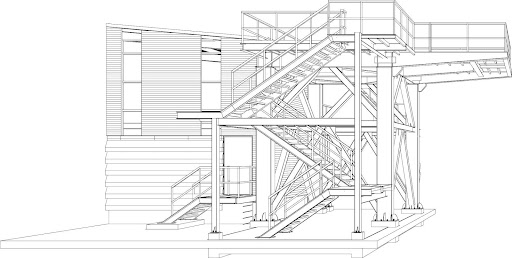
Many U.S. architecture and construction companies now struggle to keep drafters on staff. With deadlines getting tighter and wages going up, while precision is expected to be higher, putting together plans feels harder each year. In this context, outsourcing structural fabrication drawings has emerged as a practical and cost-efficient solution. Shifting detailed design work offsite lets teams spend time where it matters most: solving technical issues, client communication, and on-site coordination—tasks that need their direct involvement.
The Financial Value Behind the Outsourcing Model
Outsourcing is not just a trend; it’s a smart move backed by real savings. Companies in the US pour money into recruitment, training, software subscriptions, and quality-control processes. By outsourcing, it eliminates extra costs, turning steady bills into flexible, project-based expenses.
Key Financial Advantages
- Reduced hiring and training costs: No need to maintain full-time drafting teams for fluctuating workloads.
- Access to ready-to-work talent: External teams are pre-trained, eliminating onboarding delays.
- Optimized operational budgets: Pay only for the drawings you need instead of a year-round salary structure.
- Lower software and licensing expenses: Outsourcing partners already maintain the required CAD and BIM tools.
Smaller companies might see better profits from these cuts, particularly when workloads spike.
Precision and Quality That Matches Industry Expectations
Fabrication drawings must be accurate; tiny errors might cause delays, rework, or safety risks. Outsourcing partners often team up with experts focused on steel layouts, BIM modeling, reinforcement bar plans, and also conflict checks. Since they’ve dealt with various global standards and complex builds, which enhances their ability to deliver clean, error-free drawings.
Some outsourcing teams use several layers of internal reviews. For instance:
- Layer-based CAD audits
- Connection detail verification
- Following rules set by AISC or project-specific standards
- Peer review workflows
- BIM model checks info
By the time drawings reach the engineering team in the US, they have already passed several layers of technical review.
Boosting Productivity Through Scalable Workflows
One big perk U.S. companies get from outsourcing? Better ability to scale up when needed. On huge commercial, industrial, or institutional projects, workloads can spike out of nowhere. Rather than pushing internal staff past limits, businesses turn to outsourcing drafting teams to manage bulk drawing production.
This flexibility helps design firms keep pace no matter how busy they get. What’s more, it reduces stress on employees while keeping deadlines realistic. In the middle of such production cycles, outsourcing teams handle even the most complex detailing tasks, including structural fabrication drawings, while the in-house team supervises technical decisions.
How Outsourcing Improves Collaboration and Project Transparency
Today’s manufacturing contractors use online tools a lot. That way, American businesses stay in the loop, no matter the hour or distance, with clearer updates and quicker replies.
Examples of Collaborative Tools Used
- Cloud-based file-sharing platforms
- Real-time comment tracking on PDFs or BIM models
- Scheduled virtual coordination meetings
- Work-in-progress (WIP) submission cycles
- Issue-tracking dashboards
These tools help engineers, project managers, and detailers stay aligned, so reviews go faster while mistakes drop off. What’s more, teamwork gets smoother without confusion piling up.
Choosing Expertise That Aligns With Engineering Requirements
While evaluating an outsourcing partner, engineering firms typically look for several capabilities:
Technical Expertise Checklist
- Experience in steel detailing, along with rebar plans, BIM models, and fabrication sketches
- Familiarity with US industry codes like AISC and AWS
- Ability to provide 2D and 3D deliverables based on project needs
- Use of licensed software such as AutoCAD, Advance Steel, Revit, or Tekla
- Proven track record with industrial, commercial, or infrastructure projects
Those hitting these targets might handle basic beam-to-column joints or even full BIM setups for high-rise structures, depending on skill.
Workflow Designed for Smooth Execution
Instead of generic promises, it’s helpful to understand how a typical outsourced workflow really operates. Here’s a clear look at how most groups handle tasks day by day:
- Project Intake: Engineering teams submit architectural and structural inputs.
- Kickoff Call: Clarification of materials, schedules, and project standards.
- Model/Detail Creation: Drafting teams prepare drawings or BIM models.
- Internal QC Review: The outsourcing team follows multi-level checks.
- Submission for Client Review: Markups are incorporated quickly.
- Final Delivery: Approved drawings are packaged and delivered for fabrication.
This smooth process cuts down on waiting time while keeping things clear all along the way.
Why Time-Zone Differences Work in Your Favor
One often-overlooked benefit of outsourcing is the natural time-zone advantage. As American companies wrap up their day, sending notes or changes, teams abroad are just starting work. That setup means tasks get done overnight, creating a near 24-hour production cycle. Things move faster, so approvals happen sooner, and teamwork flows better, while deadlines become easier to track.
When Outsourcing Makes the Most Sense
While outsourcing works well for many tech groups, it really helps companies going through:
- Sudden spikes in project volume
- Shortage of skilled drafting professionals
- Need for fast-track project delivery
- Pressure to reduce operational costs
- Tight fabrication deadlines requiring 24-hour production
Outsourcing isn’t about swapping out engineers; it adds support by managing time-heavy design chores.
A Forward-Looking Approach to Smarter Project Execution
Most US companies choose outsourcing when they want to grow, become smarter, and offer better prices. Working with professionals focused on structural fabrication drawings lets them focus less on paperwork and more on engineering decisions, quality control, and client engagement. In this final stage of the workflow, outsourcing can cover extra tasks like aligning digital models, creating production plans, or handling steel detailing; one reason terms like “3D model support” and “blueprint subcontracting,” or “technical sketching,” pop up often as people search for reliable helpers nearby.
When businesses need solid drafting support, DesignsMosaic proves trustworthy, delivering steady results and sharp technical skills while using processes that let companies grow without hiccups.