
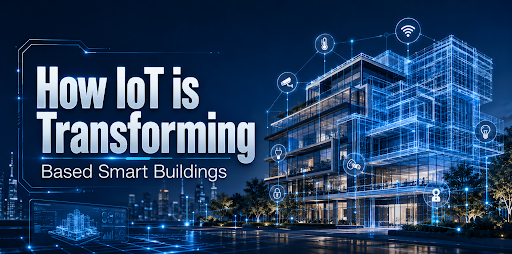
This merger of IoT technology with the Building Information Modeling concept is revolutionizing the process of conceptualization, development, and management of modern-day buildings. With the help of real-time data and smart three-dimensional models, decision-making has become much easier at all levels of the construction process. At present, Revit BIM Modeling Services are contributing to this revolution through their help in the creation of digital building twins, which can interface with IoT networks.
The Convergence of BIM and IoT
For many years, BIM technology was known for creating a detailed digital version of real-world structures. By integrating IoT tools, such as sensors, smart meters, and automation systems, buildings can become much more dynamic.
This way, it is possible to achieve the following benefits:
- Monitor the current operation of the buildings’ systems
- Predict issues before they lead to failures
- Boost energy efficiency with real-life data analysis
- Increase occupant comfort and security
Overall, all of these aspects have resulted in the emergence of a smarter system, where decisions based on data contribute to more effective planning and operational management.
Real-Time Data for Smarter Decision-Making
One of the most beneficial aspects of using IoT technology with BIM is that there is real-time data at your disposal. These data are collected by sensors that are installed throughout the building and cover such information as temperature, occupancy, exposure to light, and many others; such information is necessary to increase the performance of a building.
Examples include:
- HVAC systems can adjust automatically based on occupancy patterns
- Lighting systems can optimize energy usage during peak and off-peak hours
- Maintenance teams can receive alerts about equipment wear and tear
Integrating such insights into services like Revit BIM Modeling Services allows you to make simulations and optimize performance without construction being completed yet.
Enhancing Facility Management and Lifecycle Efficiency
Following its usage during construction, IoT-enabled BIM becomes extremely useful during the facility management process. Well-designed BIM models become hubs of all the information related to a facility while IoT data updates them.
As a result:
- Reduction in operating expenses due to predictive maintenance
- Increased efficiency of asset tracking and management
- Faster reaction to system faults
- Better long-term planning and renovations
The design principles used in applications such as Designs Mosaic pay great attention to data integration and modeling. It means that IoT inputs become integrated with BIM in perfect harmony.
Sustainability and Energy Optimization
One of the main concerns today is the sustainability of construction processes, and IoT-based BIM greatly helps achieve this goal.
Main advantages of using this technology include:
- Ability to track energy consumption in real time
- Ability to identify inefficiencies in facility systems
- Environmental standards compliance
- Enabling smart water and waste management
Through analysis within the BIM environment, designers and engineers will improve building performance, thus minimizing carbon footprints and operational costs.
Challenges and Considerations
Although there are several advantages of implementing both the IoT and BIM technologies into the design process, there are several challenges that should also be considered. These challenges are:
- Data Security and Privacy Concerns
- Initial Investment Costs
- Qualified Specialists to Manage Systems
- Interoperability of Various Technologies
Solving these problems is likely to demand great care and collaboration from many different areas.
Where Intelligent Design Meets Practical Innovation
The future of intelligent buildings lies in a seamless integration of intelligent design with the processing of the information. Further advancements in IoT technologies and their interaction with BIM will allow buildings to operate autonomously and efficiently.
By making use of Revit BIM Modeling Services, designers have the ability to construct smart buildings. This allows for precision in designing smart buildings and helps in achieving high levels of accuracy right at the design phase. Designs Mosaic showcases what could happen when structured BIM design and innovative technology are merged.
In this process of advancement, adopting approaches such as smart building systems, Internet of Things in construction, BIM for facility management, digital twin technology, and energy efficient buildings design will play an integral role.