
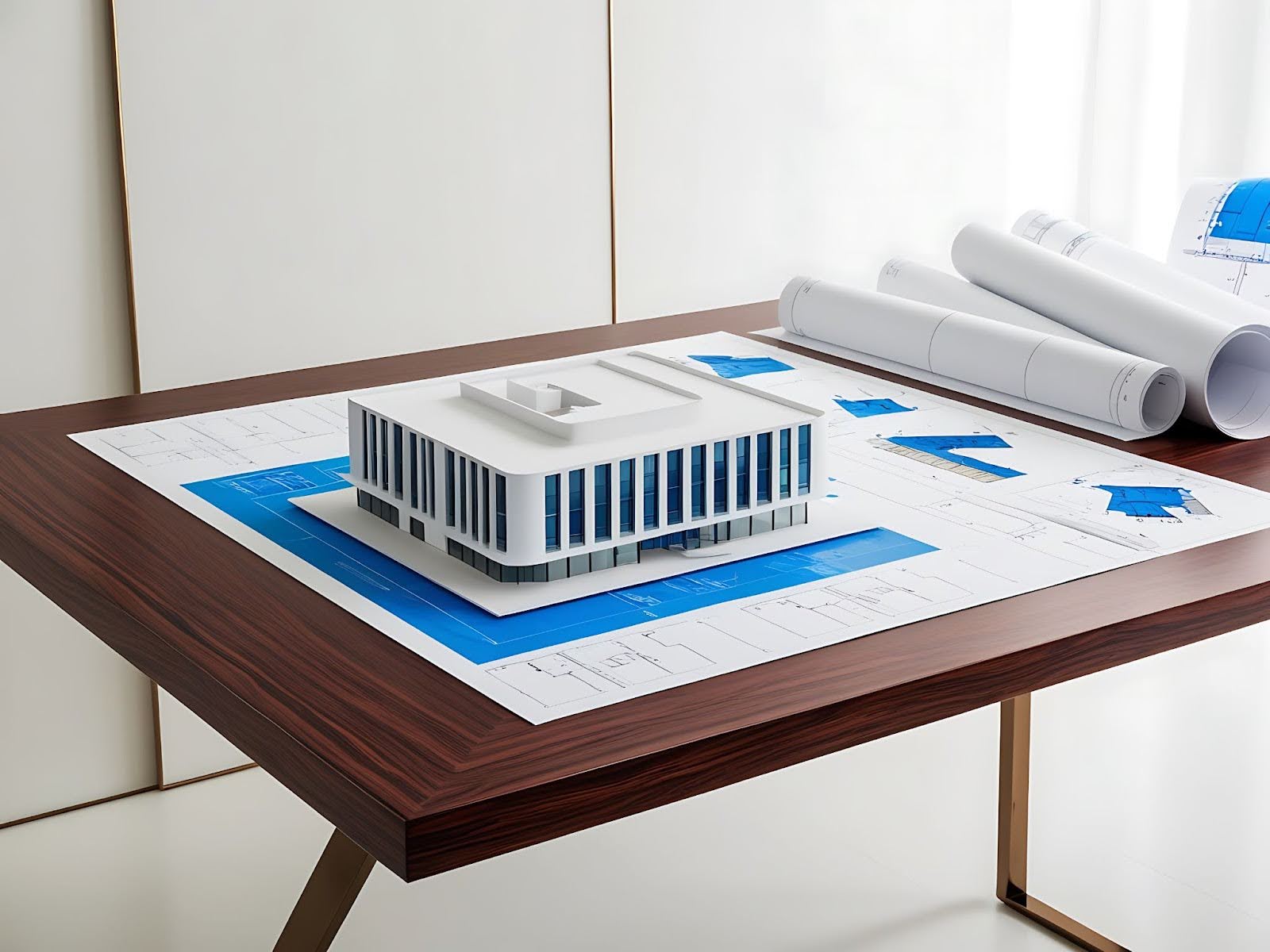
Across the United States, government buildings such as court buildings, public hospitals, schools, transport centers, and administrative offices are undergoing major renovations. Many of the buildings were constructed several decades ago, necessitating major overhauls to ensure that they meet the demands of the 21st century. However, the process of renovating government buildings is rarely an easy one, considering that the buildings, particularly the older ones, often lack proper documentation, including complex structural conditions.
This is where Building Information Modeling (BIM) is making an incredible impact. As the buildings are renovated, one of the key areas that BIM is helping government agencies achieve is the creation of structural fabrication drawings, which form an integral part of the construction process.
Why Government Facilities Require Careful Modernization
Unlike new facilities, the modernization of government facilities presents the challenge of working with the limitations of the original building. In most cases, these facilities are operational even when modernization is ongoing. This calls for careful planning to ensure that the facilities are not disrupted while the modernization is ongoing.
The general aims of modernization in facilities are:
- Upgrading aging infrastructure systems
- Improving energy efficiency and sustainability
- Meeting updated safety and accessibility codes
- Expanding capacity to serve growing communities
- Integrating new technologies and smart systems
Modernization of facilities often presents unforeseen challenges, such as aging materials or limitations in the original structure. BIM helps in visualizing the complexities involved in modernization.
How BIM Improves Planning and Coordination
Building Information Modeling is a digital representation of the physical and functional characteristics of a building or facility. For government modernization projects, Building Information Modeling offers a centralized environment for architects, engineers, contractors, and facility managers to collaborate and coordinate with each other.
Some of the major advantages of using Building Information Modeling for public infrastructure modernization include the following:
- Accurate visualization of existing structures: Using laser scanning and modeling, the actual building conditions are replicated, and then modifications are planned.
- Improved interdisciplinary coordination: Structural, mechanical, electrical, and plumbing systems are coordinated in a single platform.
- Reduced design conflicts: Using clash detection tools, conflicts are detected, and design issues are reduced.
- Efficient decision-making: Using Building Information Modeling, several options for renovating the building are evaluated.
These capabilities are especially beneficial for government buildings, which require accountability, cost-effectiveness, and durability.
The Role of Fabrication-Level Structural Detailing
As the modernization projects progress from the planning stage to the execution stage, technical documentation becomes vital. Contractors need detailed information for the fabrication of structural components like beams, columns, steel frames, and reinforcement materials.
In this regard, structural fabrication drawings play an important role in the BIM process. These drawings offer the necessary information for the fabrication of the structural components of the building. They are essentially the exact information needed for the construction of the building.
In the context of modernization projects, the fabrication drawings must take into account the construction of new structural components as well as their integration with the existing building components. This ensures the following benefits for the modernization projects:
- Structural stability during and after renovation
- Accurate material fabrication and installation
- Reduced on-site modifications or errors
- Compliance with government building codes
With the alignment of the BIM models with the fabrication documentation, consistency is maintained throughout the project execution process.
BIM’s Impact on Public Sector Efficiency
The execution of the construction projects in the public sector is often governed by strict rules, budget constraints, and the need to maintain transparency. BIM is beneficial in this regard as it helps the agencies maintain transparency throughout the project execution process.
The benefits of BIM in the modernization initiative are as follows:
Better Cost Management
The use of BIM models is beneficial in the generation of precise quantities of materials used in the project, thus helping the agencies avoid incurring additional costs in the later stages of the project execution process.
Faster Project Delivery
The use of BIM models helps the agencies in the efficient execution of the project, thus enabling the completion of the project in a shorter time frame.
Long-Term Facility Management
One of the greatest benefits of using BIM models is the fact that the models can be used even after the completion of the project, thus helping the agencies in the efficient management of the facilities.
Government organizations have also come to understand the need to maintain detailed digital records of their infrastructure, especially when handling multiple buildings within their portfolio.
Addressing Challenges in Older Government Buildings
When it comes to renovating aging government infrastructure, there are many unique structural challenges that engineers face. For instance, many government buildings from the mid-20th century were developed using standards that are significantly different from the engineering standards used today.
Some of the common issues that engineers face include:
- Inadequate construction documentation
- Components that have deteriorated over time
- Undisclosed modifications made during past renovations
- Limited structural capacity to support new equipment
BIM helps engineers evaluate the conditions of the infrastructure through detailed modeling and structural analysis. Proper documentation, including structural fabrication drawings, is essential in ensuring that the newly added components integrate properly within the existing framework.
This detailed planning helps reduce the possibility of structural conflicts during construction, ensuring the success of modernization projects.
Supporting Sustainability and Smart Infrastructure
It is worth noting that modernization initiatives are not restricted to the physical infrastructure of the buildings. Government agencies are working towards developing sustainable buildings that are environmentally friendly and support the sustainability initiatives of the country.
BIM supports the sustainability initiatives of the government agencies in the following ways:
- Energy performance simulations
- Daylight and thermal simulations
- Incorporation of renewable energy systems
- Efficient space planning and building operations
These simulations allow the government agencies in the public sector to develop buildings that are cost-effective for the government while ensuring the comfort of the people who use the buildings.
BIM also allows the agencies to incorporate smart technologies into the buildings, which is now becoming the norm in renovated government buildings.
A Digital Foundation for Future-Ready Public Infrastructure
As the pace of infrastructure modernization remains high in the United States, BIM is becoming an integral part of government construction projects. By providing precise modeling, collaboration, and documentation, BIM is helping ensure that renovation projects are executed with precision and accountability.
Accurate documentation, including structural fabrication drawings, is helping bridge the gap between design and construction, ensuring the structural integrity of the facilities and efficient construction processes. With the support of skilled BIM professionals, government agencies are able to modernize their aging facilities with precision and accountability.
Organizations such as Designs Mosaic play a vital role in the modernization of infrastructure facilities by providing support through BIM services. As the pace of modernization is picking up momentum in the United States, BIM modeling services, BIM coordination services, structural steel detailing, scan to BIM services, and structural engineering outsourcing are helping shape the future of government facilities through modernization.