
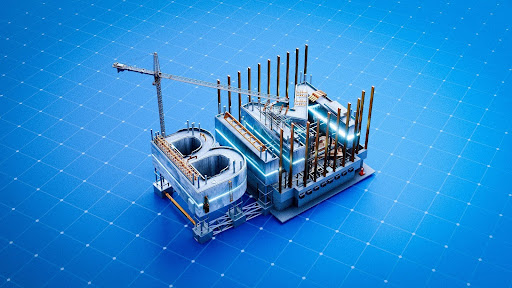
In recent times, the U.S. saw growing investment in roads, bridges, subways, and power systems, driven by tech upgrades behind the scenes. Underlying many of these transformative projects is one technological backbone that is reshaping design, coordination, and delivery: structural BIM services. With firms moving toward digital planning methods, relying on detailed models isn’t optional anymore; it’s essential. Instead of old-school drawings, teams use 3D modeling to avoid mistakes and save time. Thanks to tighter collaboration across disciplines, delays happen less often during construction.
The Rise of BIM in Infrastructure: Not Just for Buildings
Some folks think BIM is just about structures, like buildings, architectural plans, MEP coordination, and so on. Yet when it comes to public works—a metal bridge, an elevated road, even a water-treatment facility—BIM brings enormous benefits:
- Improved visualization and collaboration: With 3D structural models, engineers, architects, contractors, and owners can clearly visualize complex geometry, spot conflicts early, and better align on design intent.
- Clash detection & risk mitigation: With BIM software, teams can check how different parts, like beams, pipes, or systems, fit together before building starts. This early detection reduces costly rework on-site.
- Scheduling and cost advantages: By integrating 4D (time) and 5D (cost) data, BIM brings plans to life, sharpens price guesses, and also smooths timelines.
- Data-rich models for lifecycle management: Instead of just handing off 2D drawings, teams can pass on a smart, information-rich model that supports maintenance, retrofitting, and operations.
These advantages are especially critical for infrastructure projects, where mistakes and rework can lead to massive cost overruns or severe safety risks.
Challenges of Traditional Infrastructure Design and How BIM Solves Them
When infrastructure projects rely on traditional CAD-based or 2D workflows, several issues tend to emerge:
- Fragmented coordination: In big projects, different groups usually work on their own. Structural designs, construction drawings, and fabrication details may not talk to each other, leading to misalignment.
- Rework and delays: Failing to sync live means issues onsite show up too late, leading to fixes or full changes.
- Poor cost predictability: Estimations based on 2D drawings or spreadsheets often go off track, making budgeting less reliable.
- Post-construction inefficiency: After finishing a project, keeping things running smoothly needs correct records from construction, yet these details are usually absent or partial when using CAD-based outputs.
Structural BIM solves these problems by building one main model; this ties together analysis, design details, timelines, budget numbers, or even delivery info.
Real-World Use Cases: Where Structural BIM Shines in U.S. Infrastructure
- Bridges and Highways
With the bridge project, BIM helps model beams, columns, and rebar more precisely. Instead of guessing, teams test how weight affects structures and adjust material amounts, either steel or concrete, and stay in sync with builders or shops making parts. Running clash checks highlights conflicts ahead of time, like when pipes or wires get in the way, avoiding expensive fixes on-site.
- Metro and Rail Infrastructure
City train systems, like subways, usually have tricky stations, raised tracks, or tunnels below ground. With BIM, different experts work together without hiccups. Architects, engineers, and tech planners sync their designs; this helps catch conflicts early, so crews avoid surprises on-site. Also, time-based planning keeps builds on track while reducing interruptions to daily commutes.
- Water Treatment, Utilities, and Civil Structures
BIM works for bridges and roads, and also things like dams or tunnels. When used here, engineers plug stress tests right into the 3D plan to see how parts react when pushed. Safer blueprints come out, less waste shows up, and the digital copy helps later if repairs or bigger changes are needed.
Why Infrastructure Stakeholders Are Embracing Structural BIM
Several major shifts in the AEC industry are making project owners and builders start using BIM:
- Regulatory and funding incentives: Gov money now favors smart tech and fast results. Systems using BIM rules make it easier to get funds or speed up permits.
- Risk mitigation: BIM helps spot clashes before they become issues. Instead of fixing things late, teams use shared models to stay aligned from the start.
- Sustainability & lifecycle planning: When infrastructure gets old, maintenance goes up. Instead, BIM models packed with extra data help manage assets over time.
- Speed & cost pressures: Tight schedules plus money limits push teams to use 4D or 5D models; these help speed up work without overspending.
Key Features to Look for in Structural BIM Services
When infrastructure firms evaluate BIM capabilities or outsource modeling, companies often focus on a few key things:
- LOD (Level of Development): High LOD (e.g., 300-500) means things such as rebar, construction, or as-built information are accurate.
- Analysis integration: You can run structural checks right inside the BIM model, so problems get caught sooner, using real-time feedback instead of waiting till later.
- Clash management & coordination: Apps that spot where pipes, wires, or beams bump into walls or frames.
- Advanced modeling dimensions: 4D (scheduling) and 5D (cost) capabilities improve predictability.
- Fabrication-ready deliverables: BIM doesn’t only assist design but also supplies info for shop drawings or production needs.
- Handover intelligence: Rich metadata, version control, and facility management (FM) readiness make models useful beyond construction.
Spotlights: How Leading Firms Are Using Structural BIM
- ENGISOFT, for instance, provides structural BIM services that include LOD 100–500 modeling, clash detection, quantity takeoffs, and shop drawings tailored for U.S. infrastructure clients.
- DGS Technical Services supports LOD 400 fabrication models and LOD 500 for facility management, helping synchronize analysis, design, and as-built handover.
- BIMStruct specializes in cold-formed steel construction, providing precision-engineered BIM models, cost estimation, and fabrication support.
- ClarkDietrich Engineering offers BIM services focused on steel framing, framing panel elevations, clash detection, and shop drawings for cold-formed steel.
These cases show structural BIM isn’t a monolithic service; it shifts based on what each infrastructure type requires, depending on material or project size.
Overcoming Adoption Barriers
Despite its proven benefits, some infrastructure stakeholders remain hesitant.
Here are common obstacles and how teams are addressing them:
- Up-front cost concerns: Setting up a BIM workflow often means spending on software, talent, and training. Yet plenty of companies handle it by hiring outside experts instead, which keeps prices down while still getting top-tier modeling help.
- Skill gaps: Not all structural engineers are BIM experts. The solution: blended teams that combine seasoned engineers
- Data fragmentation: When moving old CAD plans into a BIM setup. But stepping through it slowly, turning past files into shared models, can smooth the shift.
- Client resistance: Sometimes, clients or owners are unfamiliar with BIM benefits. Demonstrating cost savings through pilot projects or proof-of-concept models can build confidence.
Stepping Into the Future: A Strategic Imperative
Structural BIM isn’t just a technological trend; it’s shaping how American infrastructure gets conceived, designed, and built. Benefits like fewer surprises, tighter budgets, smoother teamwork, and better maintenance don’t make it optional; smart companies see it as essential.
For AEC firms needing solid expertise here, DesignsMosaic stands out as a strong choice. Thanks to years of experience working in structural engineering, precision drafting, steel detailing, and finite element modeling, DesignsMosaic is well-positioned to deliver high-quality BIM solutions tailored for infrastructure. Because of their worldwide work history, sharp software use, and team-focused methods, they support groups in turning designs digital while also building more intelligently.
Bridge to Smarter Infrastructure
In an era where infrastructure demands are rising and budgets demand accountability, integrating structural BIM services isn’t just smart; it’s necessary. Companies jumping on BIM boost safety, cut waste, and also build smarter projects. Working alongside teams such as DesignsMosaic makes this shift achievable.