
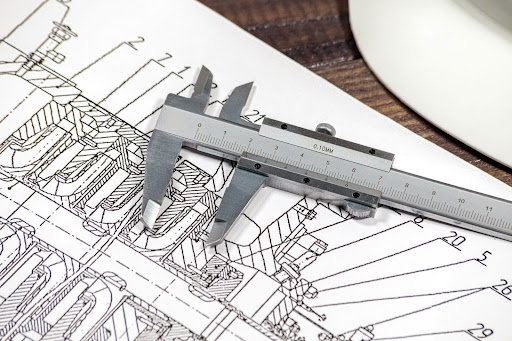
Structural steel drafting is the process of physically realizing the engineering concepts that are the most tangible. If the works are done properly, the structural steel drafting services can bring out fewer fabrication errors, good site coordination, and the exact fitting of steel components. This manual breaks down each step of the drafting operation that helps the readers to understand how accuracy, planning, and coordination are combined in the projects of the real world.
Understanding Project Requirements Before Drafting Begins
Every successful drafting workflow starts with clarity. Drafting teams must first review architectural drawings, structural design calculations, and project specifications. By doing this, in the very first position, it is made sure that the load paths, connection requirements, and material standards are understood from all sides before starting the modeling work.
At this point, drafters also determine the most relevant building codes, industry standards, and project-specific tolerances. The time spent aligning early will lower the number of changes made later on and assist in keeping the drawing consistent throughout.
Creating a Reliable Structural Framework
The development of the structural framework comes after verifying all the inputs. The layout of columns, beams, braces, and connections is done based on the engineering design. Accuracy here is very important because most of the time, even the smallest discrepancies can cause delays in fabrication or a costly rework.
One of the main points is to keep clean layering, constant naming conventions, and clear member labeling. The implementation of these habits may seem insignificant, but they greatly enhance the ease of reading the drawings for the fabricators and site teams.
Model Accuracy and Interdisciplinary Coordination
The main focus of the structural steel drafting services is model accuracy and coordination throughout the process. The architecture and MEP layouts are used to check the correctness of the drafted models and find the points where they clash. The importance of this stage cannot be overemphasized in the case of complicated commercial and industrial projects, which are the main sectors where the multiple systems intersect, and there are a lot of clashes between them.
Typical coordination checks:
- Beam penetration conflicts with ducts or piping
- Column alignment over several levels
- Connection clearances for bolting and welding
Resolving these issues digitally saves the trouble of going to the site and makes construction timelines better.
Developing Detailed Shop Drawings
After the coordination phase, shop drawings are made ready for the next step, which is the fabrication. These are the exact dimensioned drawings showing the locations of the holes, the weld symbols, and the material specifications. Fabricators take this information as their guide to make the steel components without any ambiguity.
It is quite helpful for the information on the shop drawings to be presented in clear annotations, proper and uniform scales, and good sheet organization, as this definitely facilitates communication of the intention and prevents any confusion. Most times, internal quality checks are performed to ensure the correctness of dimensions and compliance before issuing.
Reviewing, Revising, and Finalizing Outputs
Referring to the point made earlier, no drafting work can be said to be finished without the review stage. In general, drawings are updated after engineer feedback, adjustments in coordination, or changes in site conditions. Version control is keptt and changes are documented so that all stakeholders have the latest information available.
The gradual review, which is done at every step of this process, strengthens precision and creates trust in the eventual output.
A Practical Perspective on Long-Term Drafting Quality
Eventually, the provision of well-organized structural steel drafting services will be a result of firms having a strong sense of workflow discipline, the right amount of technical knowledge, and being able to think from a coordination perspective. Companies such as Design Mosaic put emphasis on well, structured processes and the use of drafting best practices that lead to constructability and project efficiency in the long run. When drafting is supported by the successful completion of steel detailing services, accurate shop drawings, coordinated BIM detailing, and the use of tools like Tekla Structures and AutoCAD, it turns into a reliable bridge between design and fabrication rather than a source of risk.